
Chicago is a city shaped by water, architecture, and neighborhoods that feel purposeful and lived in. Daily life here moves between lakefront paths, cultural institutions, dining corridors, and residential streets that reflect decades of growth and reinvention. People are drawn to Chicago for its opportunities and stay for its livability, where large-scale amenities coexist naturally with local routines. From morning walks along Lake Michigan to evenings spent exploring museums, theaters, or neighborhood restaurants, the city offers a lifestyle that feels active, connected, and grounded.
What truly defines Chicago is how seamlessly these experiences fit into everyday life. Cultural attractions are not isolated from residential areas, and outdoor spaces are designed for regular use rather than for admiring from a distance. Residents often find that the city supports both ambition and balance, providing space to grow professionally while still offering moments of pause and enjoyment. This blend of energy and accessibility continues to make Chicago an appealing place to put down roots.
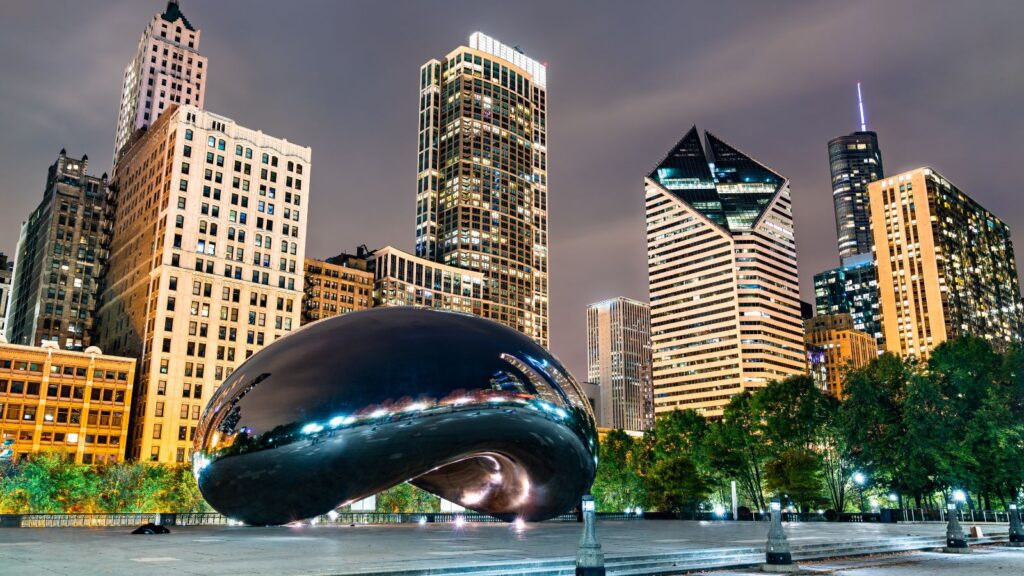
Millennium Park
Millennium Park is one of Chicago’s most recognizable spaces, but its importance goes beyond its visual appeal. For residents, it functions as a true civic gathering place woven into everyday routines. Commuters pass through on foot, office workers pause here during lunch breaks, and neighbors meet after work to enjoy open air and skyline views. The park’s central location makes it a natural crossroads for people moving through the city.
The park’s design encourages both movement and rest, creating a space that feels welcoming at any pace. Wide walkways allow for easy flow, while seating areas and lawns invite people to stop and take in their surroundings. Public art and open sightlines contribute to a sense of openness, reinforcing the park’s role as a shared urban space rather than a destination reserved for special occasions.
Throughout the year, Millennium Park changes with the seasons in ways that feel organic to city life. Warmer months bring steady activity and conversation, while cooler seasons soften the pace and highlight architectural details and skyline views. This adaptability allows the park to remain relevant year-round, reflecting the rhythms of Chicago itself.
View website for more info.
Navy Pier
Navy Pier blends public space, recreation, and lakefront access in a way that appeals to both residents and visitors. Extending into Lake Michigan, the pier creates an environment where people naturally slow down, walk, and take in the view. Chicagoans often return here for casual outings, scenic walks, or time spent near the water rather than treating it as a one-time attraction.
The atmosphere shifts noticeably throughout the day. Mornings tend to be quieter and more reflective, with fewer crowds and expansive views across the lake. As the day progresses, the pier becomes livelier, offering a mix of dining, entertainment, and social energy that feels welcoming without becoming overwhelming. Seating areas and open walkways encourage people to linger and shape each visit around their own preferences.
Navy Pier remains relevant to daily life because it offers flexibility. Some visits are brief and spontaneous, while others evolve into longer social gatherings. This adaptability allows residents to incorporate the pier into their routines in a way that feels natural and unforced.
View website for more info.
Lincoln Park Zoo
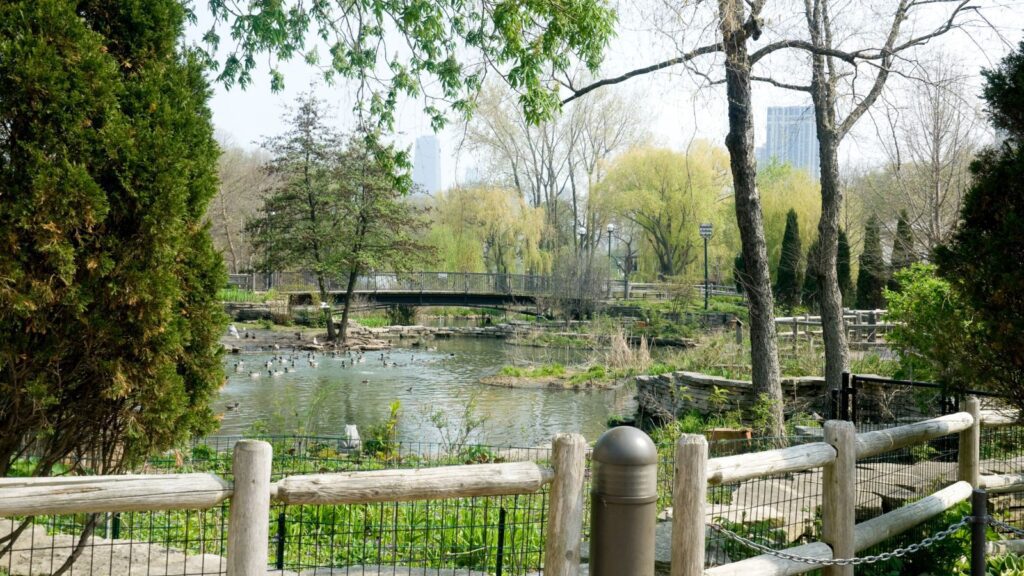
Lincoln Park Zoo stands out as one of Chicago’s most approachable cultural spaces. Located within a larger park setting, the zoo feels integrated into its surroundings rather than separated from them. Residents often combine visits with walks, outdoor activities, or time spent nearby, making the zoo a natural extension of daily routines.
The layout encourages relaxed exploration, with paths that are easy to navigate and spaces that invite people to move at their own pace. Families, couples, and solo visitors all find room to enjoy the environment without feeling rushed. The presence of surrounding green space reinforces the sense that the zoo is part of a broader outdoor experience.
What makes Lincoln Park Zoo especially appealing to residents is its consistency. It remains accessible throughout the year and offers a familiar, dependable experience. This reliability encourages repeat visits and reinforces the zoo’s place in the city’s everyday fabric rather than as a destination reserved for rare occasions.
View website for more info.
The Art Institute of Chicago
The Art Institute of Chicago plays a central role in the city’s cultural identity. For residents, it offers an experience that deepens over time rather than something completed in a single visit. Many people return regularly, drawn by rotating exhibitions, familiar collections, and the calm atmosphere that contrasts with the surrounding streets.
Inside, the museum encourages thoughtful exploration. Visitors often move slowly through galleries, engaging with works that span different eras and styles. Some visits are intentional and focused, while others unfold organically, guided by curiosity rather than a set plan. This flexibility allows each experience to feel personal.
Its location near downtown and the lakefront makes the museum easy to incorporate into everyday life. Residents frequently stop in during the day in the city or return to their favorite collections. The Art Institute functions as a cultural anchor, offering ongoing access to creativity and reflection.
View website for more info.
Chicago Riverwalk
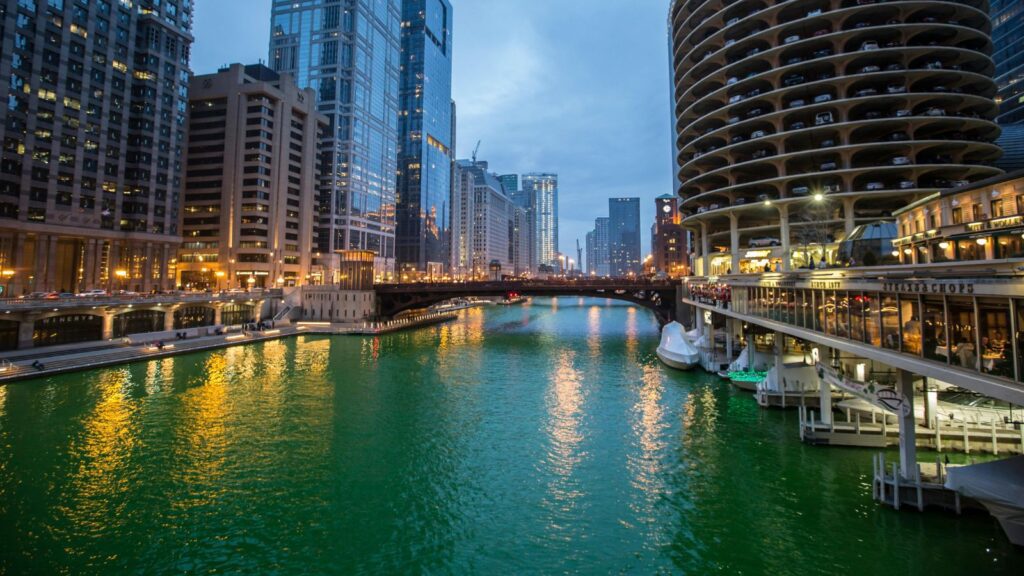
The Chicago Riverwalk offers a unique perspective by bringing people down to the water level along the river. This public space has become a favorite for walking, relaxing, and informal socializing. Residents use it as an alternative route through downtown or as a place to decompress after a busy day.
The design supports lingering and observation. Seating areas, open views, and steady river movement create an environment that feels both active and calming. Boats passing through add visual interest, while changing light throughout the day alters the mood of the space.
What sets the Riverwalk apart is how naturally it blends recreation with practicality. It feels like a space meant for regular use, reinforcing its role in the city’s daily rhythm rather than a standalone attraction.
View website for more info.
Wrigley Field
Wrigley Field holds a deep connection to Chicago’s identity that extends beyond sports. For residents, it represents continuity, shared history, and neighborhood pride. The surrounding streets reflect everyday city life, with homes, local businesses, and gathering places contributing to a lived-in atmosphere.
On event days, the area fills with energy and conversation, while on quieter days, its residential character shines. Many people pass by regularly during errands or walks, reinforcing Wrigley Field’s integration into daily routines rather than separating it as a single-use destination.
Its presence adds character without overpowering the surrounding neighborhood. Wrigley Field remains both a landmark and a familiar part of city life, contributing to a sense of place that residents value.
View website for more info.
360 Chicago Observation Deck
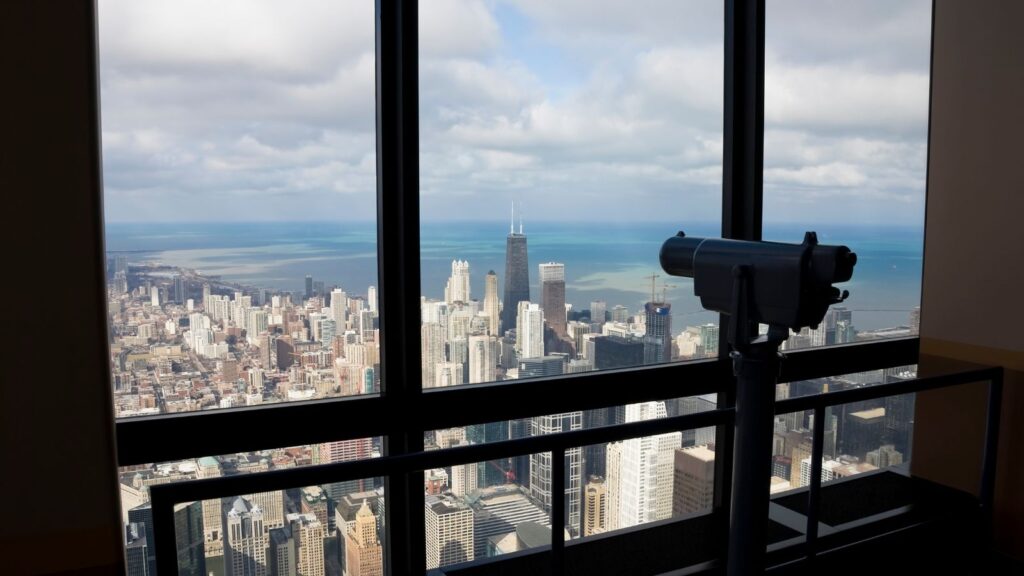
360 Chicago offers a sweeping view that helps people understand the city’s scale and layout. From above, neighborhoods, waterways, and architectural patterns come into focus, offering a broader perspective on daily life below.
Residents often visit with guests or return when they want to reconnect with the city as a whole. The experience encourages reflection, giving visitors time to appreciate how different parts of Chicago connect and interact.
Rather than feeling like a one-time attraction, the observation deck serves as a reminder of the city’s structure and scope. It reinforces a sense of orientation and appreciation that many residents find meaningful.
View website for more info.
Museum of Science and Industry
The Museum of Science and Industry blends education and exploration in a way that supports repeat visits. Many residents return over the years, finding that the museum offers new experiences each time they visit. Its expansive layout allows visitors to explore deeply or broadly, depending on their interests.
Exhibits are immersive and thoughtfully designed, encouraging curiosity across all ages. Families, students, and adults often spend extended time engaging with displays that connect science and innovation to everyday life. The museum’s scale supports both focused exploration and casual wandering.
For locals, the museum functions as a long-term resource. It supports learning and curiosity across generations, reinforcing its role as part of Chicago’s educational and cultural foundation.
View website for more info.
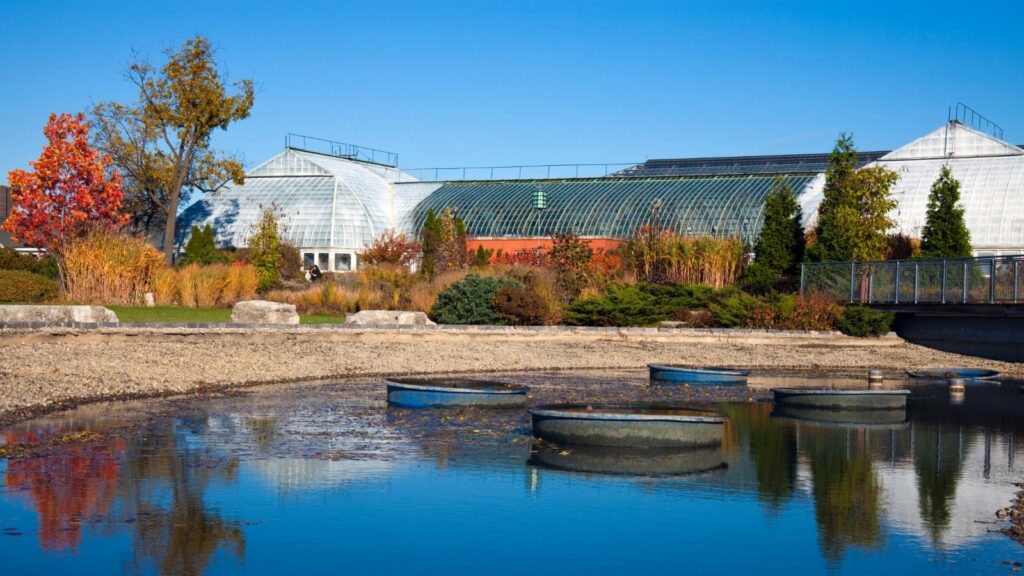
Garfield Park Conservatory
Garfield Park Conservatory provides a striking contrast to the surrounding urban environment, offering an indoor retreat filled with light, greenery, and calm. Residents often describe it as a place to reset, whether stopping in briefly or spending time exploring its expansive plant collections.
The conservatory remains inviting throughout the year. During colder months, it offers warmth and color, while warmer seasons highlight diverse plant life and natural textures. Its open design encourages unhurried movement and quiet reflection.
For those living in Chicago, the conservatory reinforces the idea that access to nature is part of urban life. It offers balance and restoration within the context of daily routines.
View website for more info.
Living in Chicago
Living in Chicago means having access to culture, recreation, and opportunity woven into everyday life. The city’s history is evident in its architecture and neighborhood development, creating a sense of continuity that residents appreciate. At the same time, Chicago continues to evolve, offering modern amenities alongside established traditions.
The lifestyle supports a wide range of interests. Residents enjoy lakefront recreation, cultural institutions, dining, and neighborhood events without leaving the city. Education options span public, private, and higher education, supporting families at every stage. Transportation infrastructure makes moving between neighborhoods efficient and accessible.
Chicago’s seasons shape daily life. Summers emphasize outdoor activity and social connection, while colder months bring focus to indoor cultural spaces and neighborhood gathering spots. This seasonal shift adds dimension to city living.
Finding Your Place in Chicago
Chicago offers a lifestyle built on access, variety, and connection. Cultural institutions, waterfront spaces, and neighborhood character combine to support routines that feel both vibrant and sustainable. When you’re ready to explore where you fit within the city, reach out to me to talk about finding a home that aligns with how you want to live.