
Chicago, Illinois: Exploring the City Through Its Neighborhoods
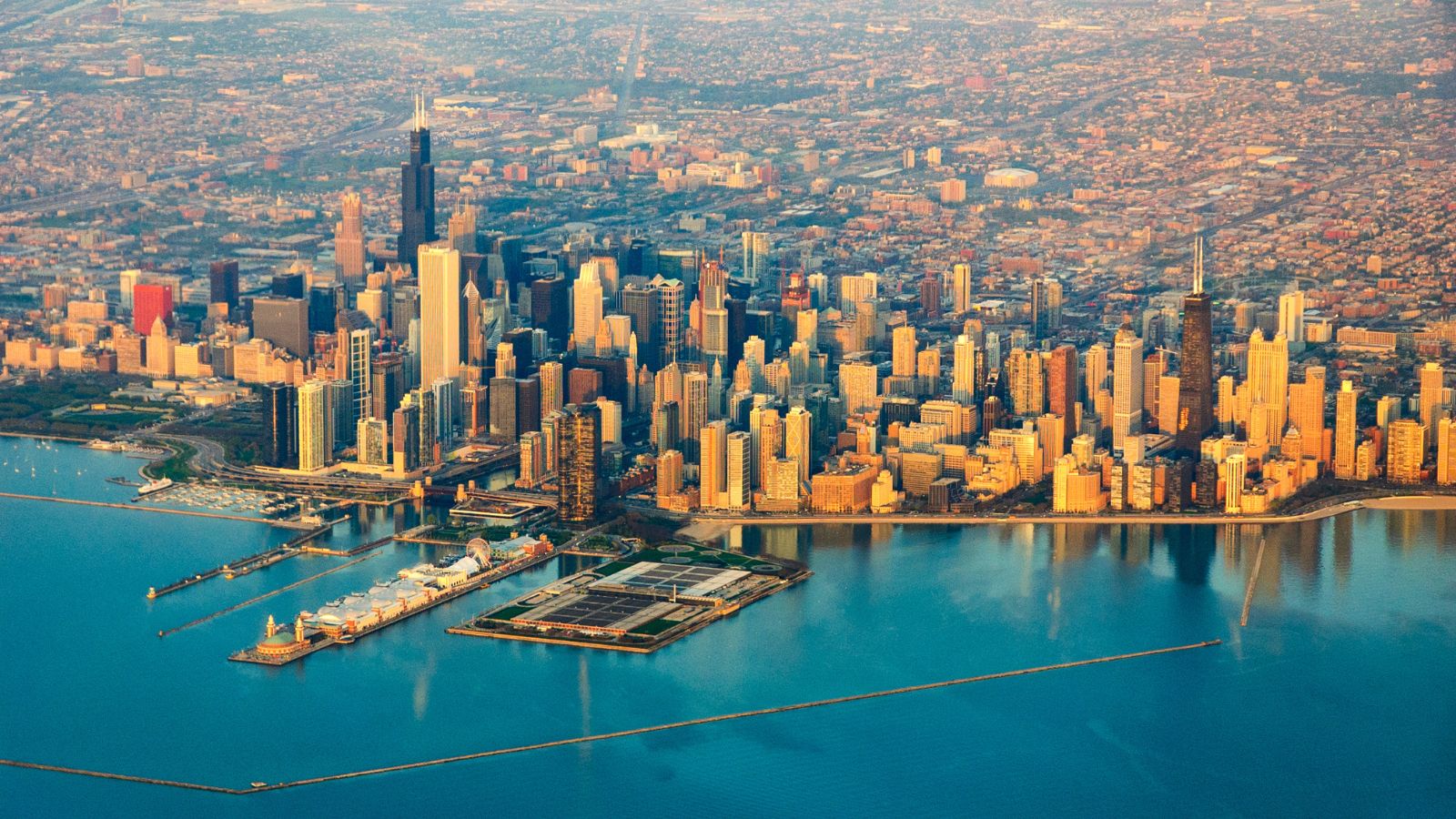
Chicago offers a wide range of living experiences shaped by its size, geography, and cultural depth. Set along Lake Michigan, with a dense urban core and expansive residential areas, the city offers homebuyers a range of environments without leaving city limits. Architecture, housing styles, transit access, and neighborhood amenities shift noticeably from one area to another, creating distinct pockets of daily life across Chicago. From high-rise living near downtown to quieter residential streets farther out, the city supports a variety of lifestyles, making it easier for homebuyers to focus on areas that align with how they want to live.
The History of Chicago
Chicago’s history is closely tied to its strategic location along Lake Michigan and its role as a national transportation crossroads. In the early 19th century, the area developed as a trading post and port, connecting the Great Lakes to inland waterways. The construction of canals and the rapid expansion of railroads transformed Chicago into a major center for commerce, manufacturing, and distribution, drawing people from across the United States and around the world.
The Great Chicago Fire of 1871 marked a defining moment in the city’s growth. While the fire caused extensive destruction, it also led to rapid rebuilding and architectural innovation. Chicago became a testing ground for modern construction techniques, including steel-frame buildings that shaped the future of skyscraper design. As the city rebuilt, residential areas expanded outward, supported by streetcars and elevated train lines that helped establish the framework for many of today’s neighborhoods.
Throughout the 20th century, Chicago continued to evolve through industrial expansion, cultural movements, and waves of immigration. Communities formed around workplaces, churches, schools, and commercial corridors, creating strong neighborhood identities that persist to this day. In recent decades, redevelopment and preservation efforts have balanced historic character with modern growth, allowing Chicago to remain a city deeply connected to its past while continuing to adapt for future generations.
Homes for Sale
Chicago’s Neighborhoods
Chicago’s neighborhoods are central to how the city functions and how residents experience daily life. Each area offers a distinct lifestyle shaped by housing styles, density, access to green space, and proximity to employment and entertainment. Some neighborhoods are defined by walkability and vertical living, while others emphasize residential streets, local businesses, and long-standing community ties. This variety allows homebuyers to find environments that match their routines, priorities, and long-term goals.
Daily life often centers around neighborhood amenities. Local dining districts, parks, schools, and transit stations become familiar gathering points, fostering a strong sense of place. In many areas, residents rely on nearby shops and services rather than traveling across the city, while still enjoying easy access to downtown and lakefront destinations. Seasonal events, neighborhood festivals, and community organizations further shape the character of each area.
Understanding Chicago’s neighborhoods starts with recognizing how geography influences lifestyle. Areas closer to the lake often emphasize outdoor access and higher-density housing, while neighborhoods farther inland may offer larger homes and quieter streets. The following sections highlight key parts of the city and some of the most popular neighborhoods within each, providing a clearer picture of how Chicago’s diverse living environments come together.
Downtown Chicago and the Urban Core
Downtown Chicago serves as the city’s commercial and cultural center, offering an urban lifestyle centered on walkability, convenience, and connectivity. This area appeals to homebuyers who prioritize proximity to employment, dining, entertainment, and public transit, as well as a fast-paced, city-forward atmosphere. Housing is primarily high-density, with modern residential towers, converted loft buildings, and luxury condominiums shaping the skyline.
The Loop: The Loop remains the heart of Chicago’s business district, anchored by iconic architecture, theaters, and cultural institutions. Residential options include high-rise condominiums and apartments with immediate access to multiple train lines, making it one of the most transit-connected areas of the city. Living here places residents at the center of Chicago’s professional and cultural activity.
River North: River North blends residential high-rises with a strong dining, nightlife, and gallery scene. Homebuyers are drawn to its modern buildings, river access, and walkable streets that connect easily to downtown offices and entertainment. The neighborhood offers a polished urban feel with an active social atmosphere.
West Loop: Once an industrial area, the West Loop has become one of Chicago’s most desirable residential neighborhoods. Converted lofts and new condominium developments sit alongside some of the city’s most acclaimed restaurants. The neighborhood appeals to homebuyers seeking modern living, open layouts, and an energetic environment just west of the Loop.
North Side and Lakefront Neighborhoods
The North Side is one of Chicago’s most established residential areas, known for its strong neighborhood identities, proximity to Lake Michigan, and wide range of housing styles. This part of the city attracts homebuyers who value walkability, access to parks and beaches, and a balance between urban activity and residential comfort.
Lincoln Park: Lincoln Park is known for its historic homes, expansive green spaces, and close proximity to the lakefront. The neighborhood offers a mix of single-family residences, vintage buildings, and modern condominiums. Homebuyers appreciate the combination of quiet residential streets, nearby parks, and easy access to downtown.
Lakeview: Lakeview offers a lively atmosphere with diverse housing options ranging from classic walk-ups to newer residential buildings. The neighborhood features active commercial corridors, entertainment venues, and strong transit access. Its proximity to the lake and vibrant street life makes it popular with homebuyers seeking an energetic yet well-established area.
Lincoln Square: Lincoln Square provides a more relaxed residential pace with a strong community feel. Known for its neighborhood shops, dining, and cultural influences, the area features a mix of single-family homes and smaller multi-unit buildings. Homebuyers are drawn to its local character and walkable village-style center.
West Side Neighborhoods
Chicago’s West Side includes neighborhoods known for architectural character, cultural diversity, and evolving residential appeal. This area attracts homebuyers looking for distinctive housing styles, active neighborhood scenes, and proximity to downtown without being in the city’s core.
Wicker Park: Wicker Park is widely recognized for its dining, shopping, and nightlife, along with a mix of historic homes and modern residences. The neighborhood’s creative energy and strong transit access make it a popular choice for homebuyers who want an active, urban lifestyle with personality.
Bucktown: Bucktown offers a more residential feel while remaining closely connected to nearby entertainment and dining areas. Tree-lined streets, single-family homes, and low-rise condominiums define much of the neighborhood. Homebuyers often choose Bucktown for its quieter atmosphere paired with convenient city access.
Humboldt Park: Anchored by one of the city’s largest parks, Humboldt Park offers expansive green space and a strong cultural presence. Housing options include classic greystones, two-flats, and renovated residences. The neighborhood appeals to homebuyers who value outdoor space, community identity, and architectural history.
South Side Neighborhoods
The South Side is home to some of Chicago’s most historically significant and community-driven neighborhoods. This area provides a wide range of housing options, often with larger homes and established residential streets.
Hyde Park: Hyde Park is closely associated with academic and cultural institutions and offers a diverse housing mix that includes historic homes, condominiums, and lakefront residences. Tree-lined streets and access to parks contribute to a balanced residential environment.
Bronzeville: Bronzeville reflects deep cultural heritage and architectural significance. The neighborhood features historic greystones, new residential development, and strong community pride.
Bridgeport: Bridgeport offers a strong neighborhood feel with a mix of single-family homes and multi-unit residences. Known for its long-standing community ties and local businesses, the area appeals to homebuyers seeking stability and space.
Education Across Chicago
Education throughout Chicago is primarily provided by Chicago Public Schools, which serves all neighborhoods within city limits. CPS supports a broad range of students through neighborhood schools, magnet programs, selective enrollment schools, and specialty pathways focused on STEM, fine arts, language immersion, and career readiness.
Beyond traditional public schools, Chicago offers charter schools that operate independently within the public system and provide additional enrollment options. Private, parochial, and independent schools are also located throughout the city, offering alternatives for families seeking smaller class sizes, faith-based instruction, or specialized academic environments. These schools are distributed across many neighborhoods, allowing families to balance educational preferences with housing location.
Higher education further strengthens Chicago’s educational landscape. Colleges and universities throughout the city contribute to research, innovation, and cultural programming. Libraries, park district programs, and neighborhood community centers support learning beyond the classroom, reinforcing educational access at every stage of life and adding long-term value for residents.
Climate and Seasonal Living
Chicago experiences four distinct seasons, influenced by its Midwestern location and proximity to Lake Michigan. The city averages approximately 189 sunny days each year, receives about 36 inches of rainfall, and sees roughly 35 inches of snowfall annually. Seasonal variation plays a noticeable role in how residents plan daily routines and enjoy outdoor spaces.
Summers are warm, with daytime temperatures often reaching the 80s. Lakefront breezes help moderate heat, making beaches, trails, and waterfront parks popular gathering places. Neighborhood festivals, outdoor dining, and cultural events are central to summer life across the city. Autumn brings cooler temperatures and changing foliage, with daytime highs typically in the 50s to 70s, creating ideal conditions for walking, biking, and community events.
Winters are cold, with temperatures frequently in the 20s and 30s and regular snowfall. Chicago is well equipped to manage winter conditions through established snow removal systems and reliable public transit. Spring brings milder weather and renewed activity, as parks, patios, and neighborhood spaces become active again with seasonal programming and outdoor gatherings.
Transportation and Connectivity
Transportation is one of Chicago’s strongest assets, offering extensive connectivity across neighborhoods and beyond the city. The Chicago Transit Authority operates a comprehensive train and bus system that serves all areas of the city, allowing residents to commute, run errands, and access entertainment without relying solely on a car. Multiple train lines connect neighborhoods directly to downtown and to one another.
For drivers, Chicago is supported by a network of major highways and arterial roads that connect the city to surrounding suburbs and regional destinations. Bike lanes and pedestrian infrastructure continue to expand, supporting alternative transportation and neighborhood-level mobility. Many areas allow residents to complete daily activities on foot, particularly near transit hubs and commercial corridors.
Chicago is also a major national and international travel hub. O’Hare International Airport and Midway International Airport provide nonstop service to domestic and global destinations. Amtrak and regional rail services further connect Chicago to cities throughout the Midwest and beyond, reinforcing accessibility for both business and leisure travel.
Which Neighborhood Is Right for You?
Chicago’s strength lies in the variety of its neighborhoods and the flexibility they offer homebuyers. Whether you’re drawn to downtown energy, lakefront living, historic communities, or quieter residential streets, the city provides options that support a wide range of lifestyles and priorities. Each neighborhood contributes to Chicago’s larger identity while maintaining its own sense of place.
Choosing the right area starts with understanding how you want to live day to day. When you’re ready to explore homes or narrow your search to specific Chicago neighborhoods that fit your goals, reach out to me for guidance and local insight tailored to your needs.